Carnot
+- Programme Réhabilitation et restructuration d’un immeuble en 8 logements
- Lieu Limoges
- Maîtrise d'ouvrage Limoges Habitat
- Maîtrise d'oeuvre MAU, Zafer Dogan (BE structure,) Cité4 (BE fluide), 17 Eco-Partenaire (économiste), Arquantes (OPC)
- Dates 2022 - 2025
- Surface 478 m² SDP
- Coût 1 052 804 € HT
- Mission Complète + OPC
- Crédits Antoine Espinasseau
- Responsable projet Anna Ponizy
- Équipe projet Frédéric Martinet, Alexandre Bertet
Réparer remplacer aménager
Les années 2020 ont été marquées par plusieurs événements mondiaux successifs, d’ordres sanitaires, diplomatiques, climatiques et écologiques. Ces événements ont mis en lumière ce que le monde de la recherche – historiens, sociologues, scientifiques au sein des universités – avaient identifié dès la fin des années 1980.
Dans l’industrie du bâtiment, et dans la production du logement français en particulier, il aura fallu attendre la deuxième décade du vingt-et-unième siècle, la fin des aides publiques, et l’augmentation des coûts des matières premières pour commencer à reconsidérer le bâti existant. Loin d’être anodine, cette conquête nouvelle a révélé l’ampleur de la tâche pour réformer l’ensemble des chaînes de décision, depuis les élus de la République, en passant par les organismes sociaux et opérateurs privés, mais aussi en interne de l’ensemble des acteurs (chargés d’opération, développeurs, commerciaux). Les spécificités liées au bâtiment existant ont dû être apprises, depuis le tableau de bilan, l’estimation des coûts, le barème des loyers, les critères d’attribution d’entreprises et les savoir-faire. Tout ce qui existait jusqu’alors n’avait plus de réplicabilité.
Du côté des architectes, se pose une question. Alors que le 20ème siècle a créé une primauté de la pensée moderne, dont les apports dans l’histoire de l’architecture sont essentiels, le 21ème siècle a entamé une réflexion qui enjambe le siècle passé pour aller puiser ses références dans la longue histoire de l’espace habité. Comment faire œuvre lorsque l’œuvre est déjà écrite. Viollet-Le-Duc y répond dès le dix-neuvième siècle, en confondant les époques, en créant un récit fantasmé de l’histoire des lieux. Les architectes du vingtième siècle abordaient l’existant avec un certain ennui. Les années 2000 ont vu naître une nouvelle génération d’architecte collectif, qui ont accepté d’en finir avec le « patrimoine », pour travailler sur les bâtiments en tant qu’auteur discret, et d’assumer que l’œuvre pouvait se situer ailleurs, parfois dans une absence totale de geste.
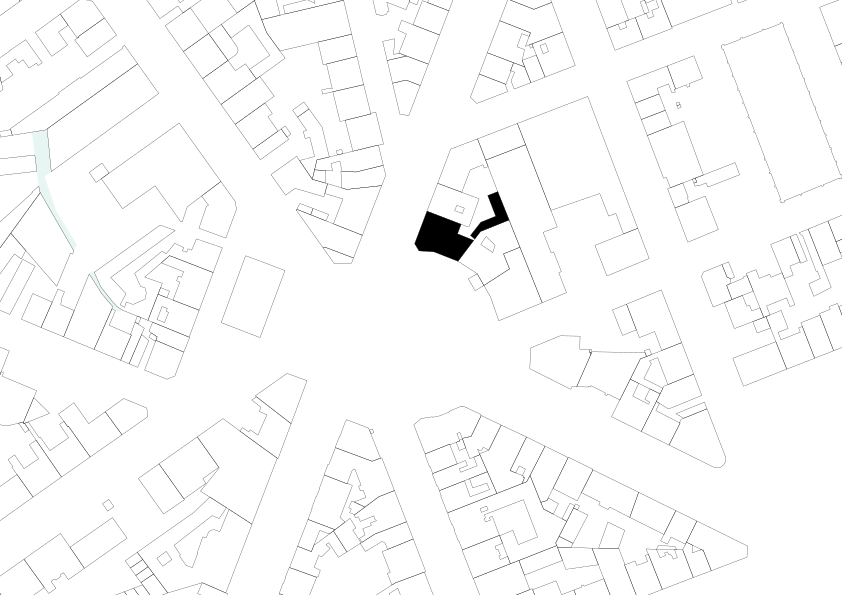
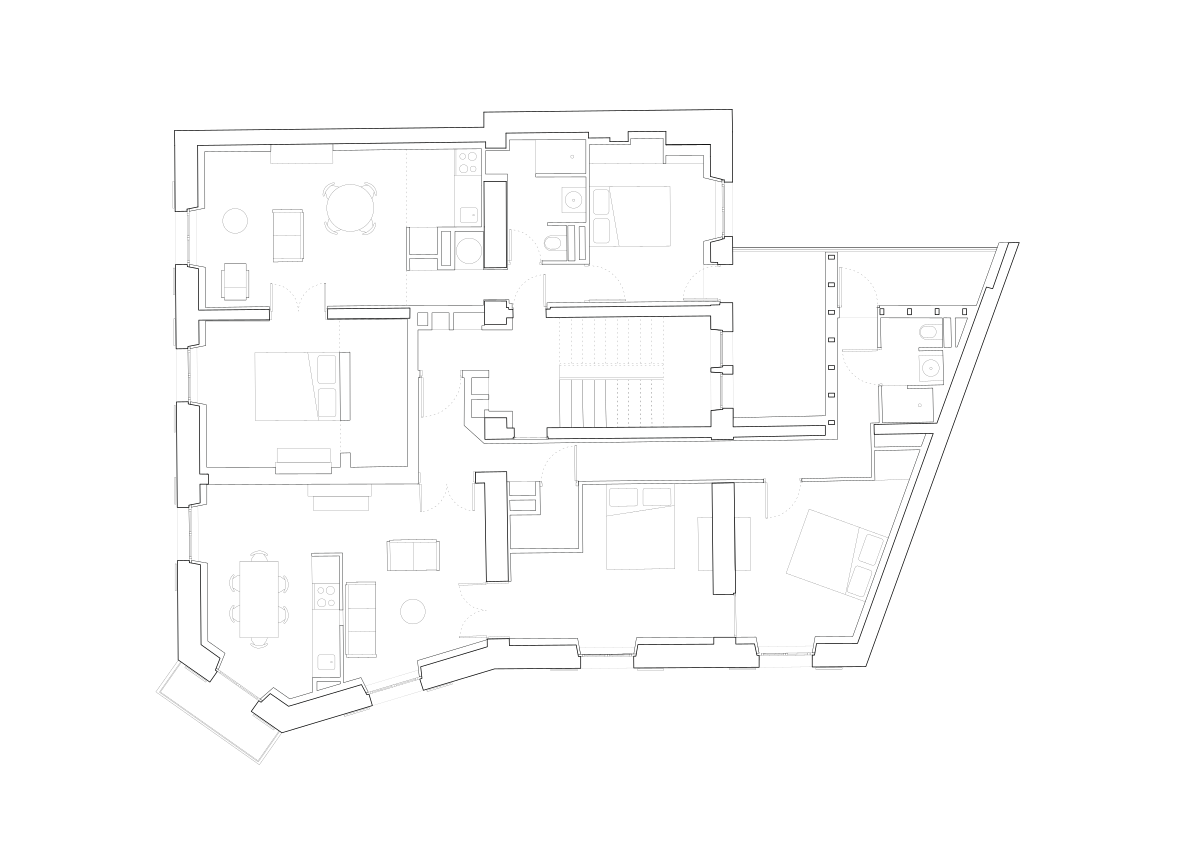
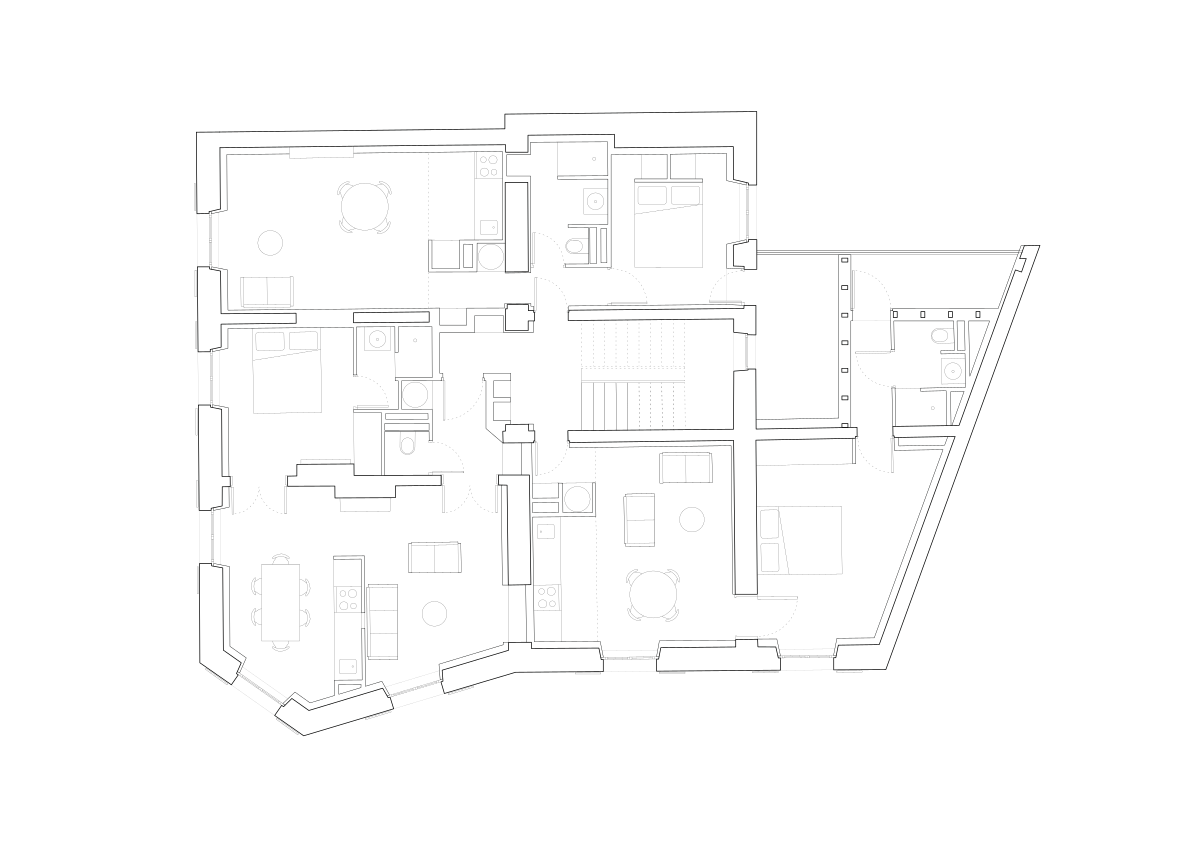
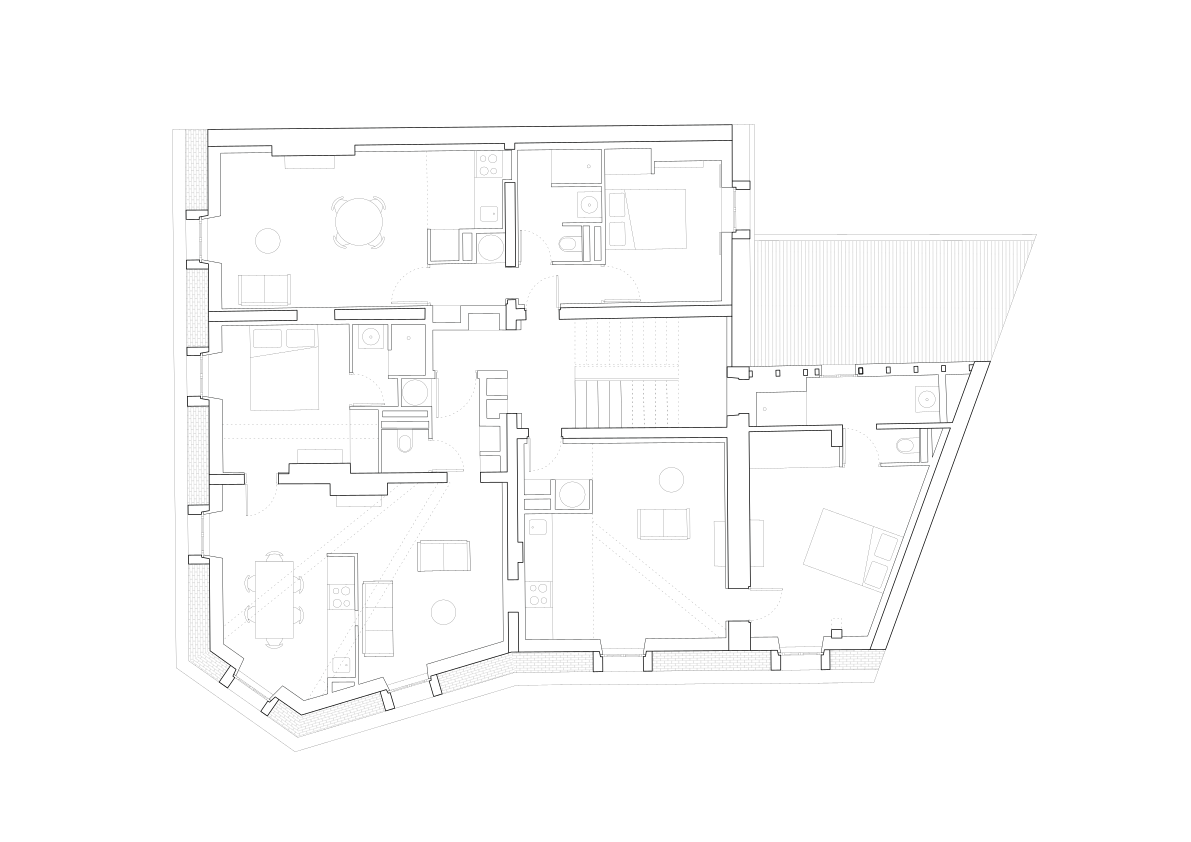
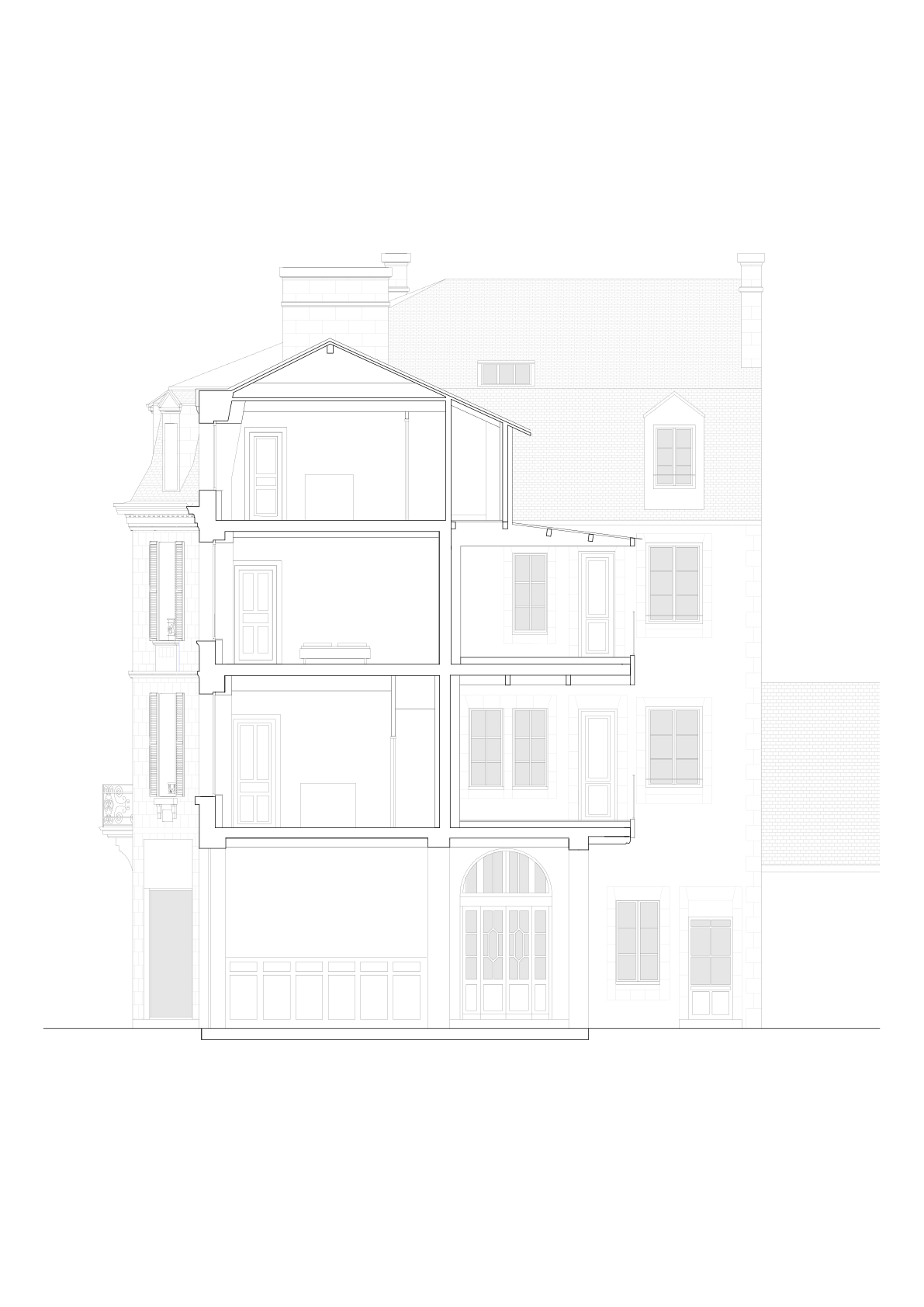
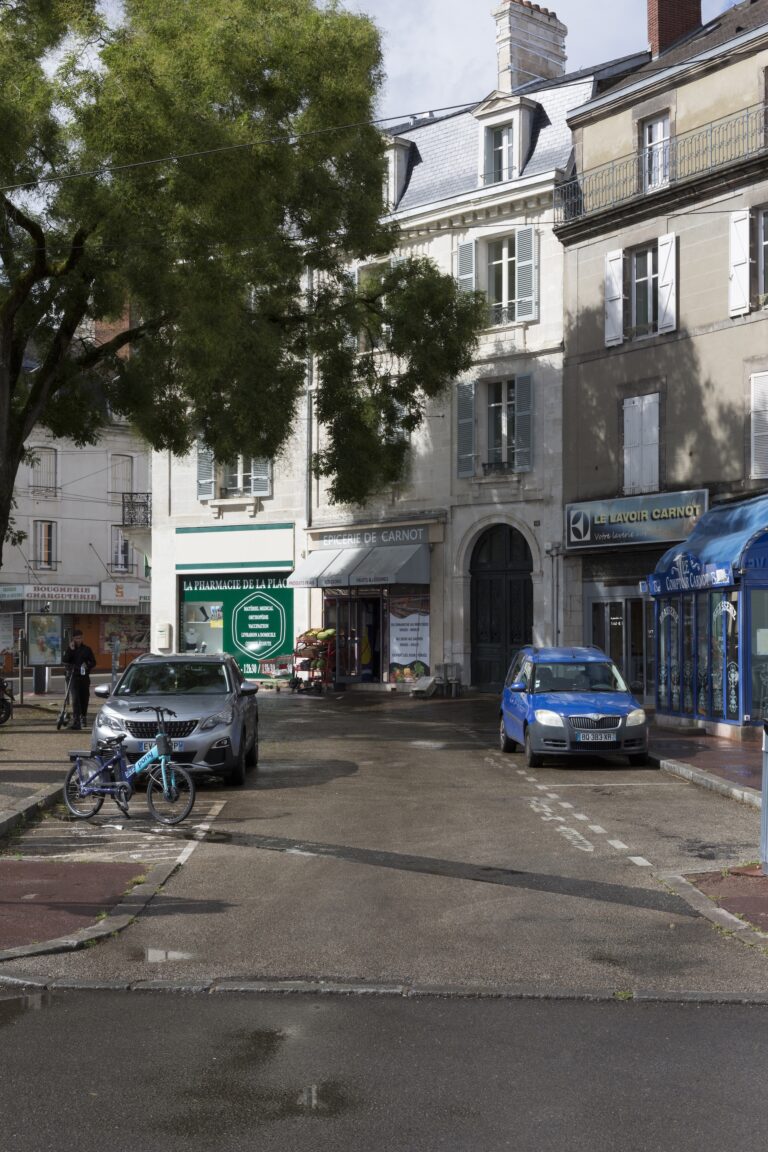
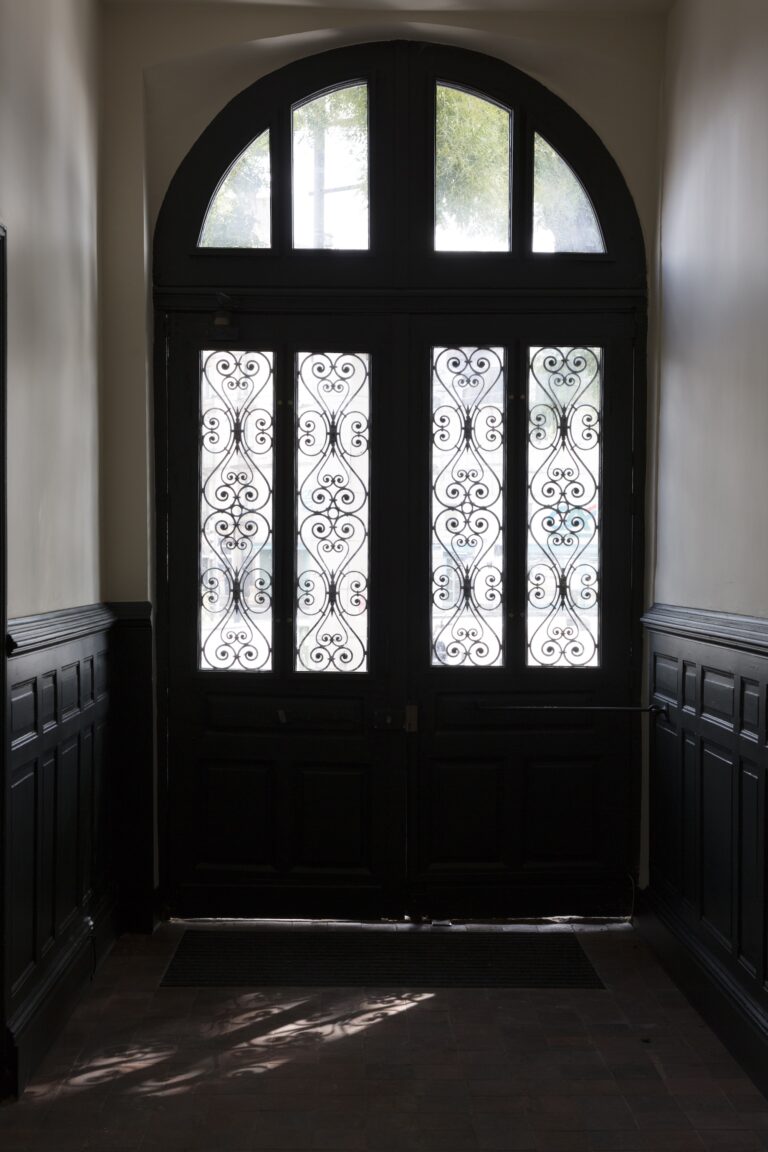
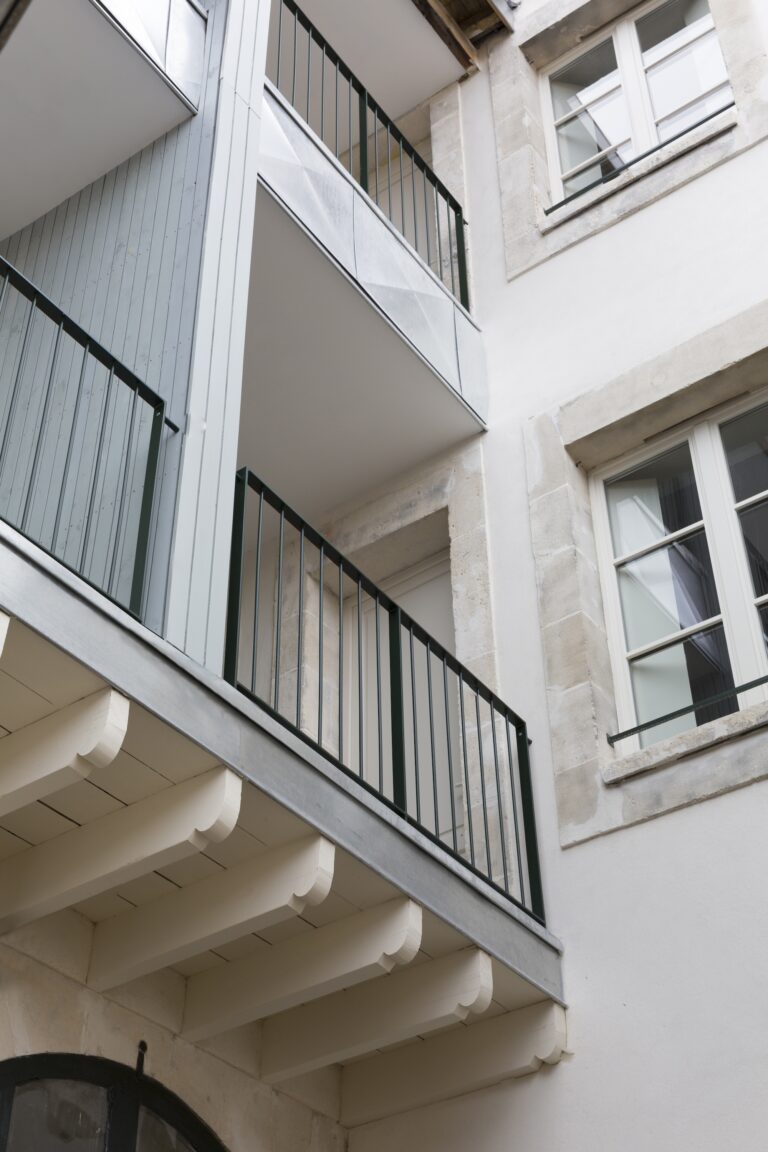
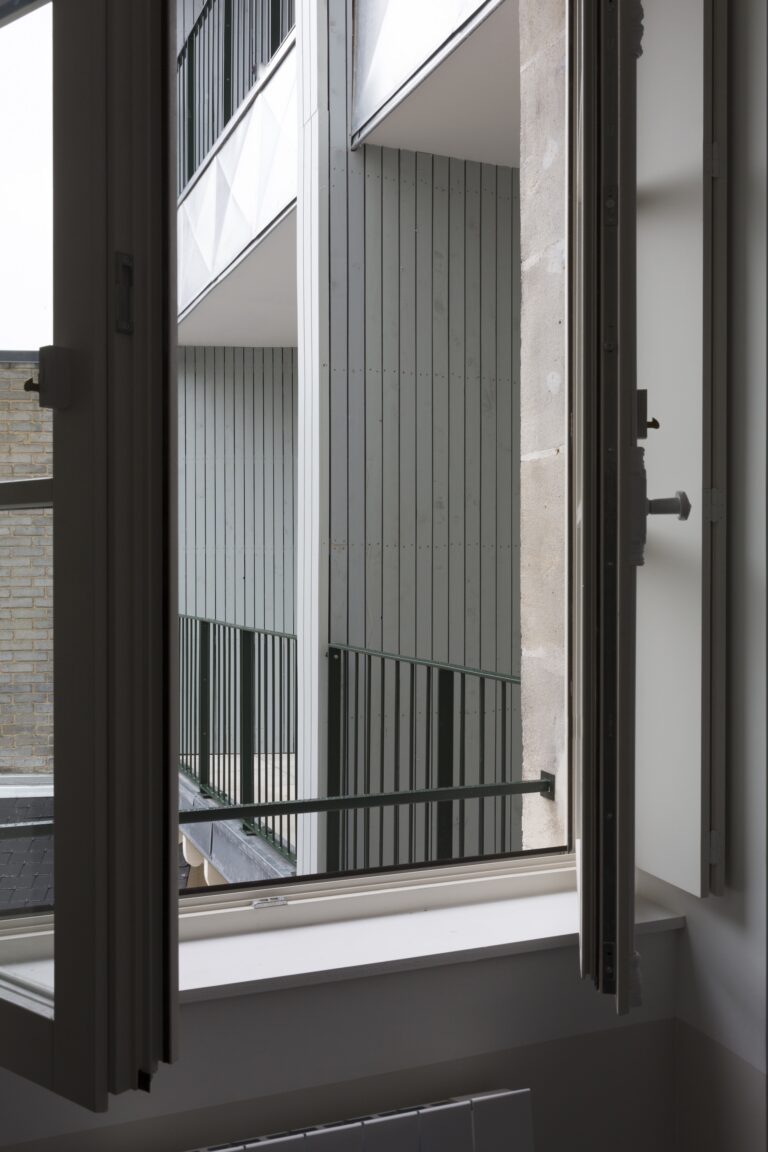
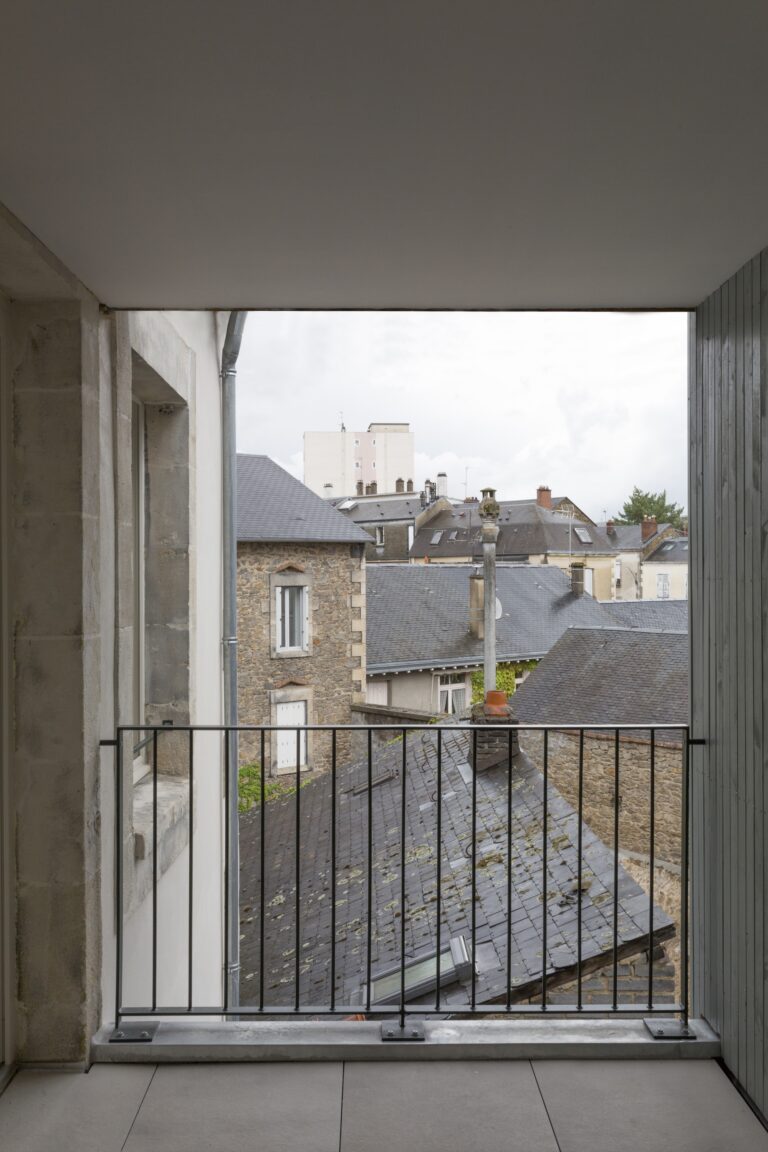
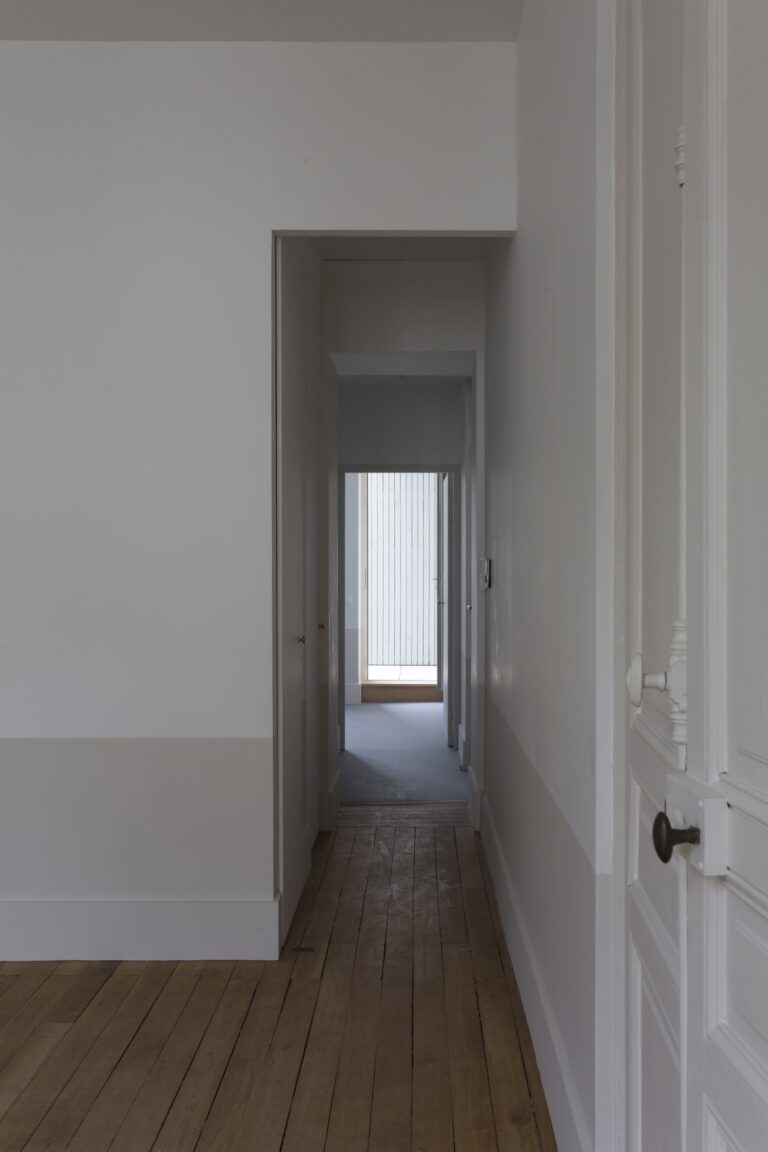
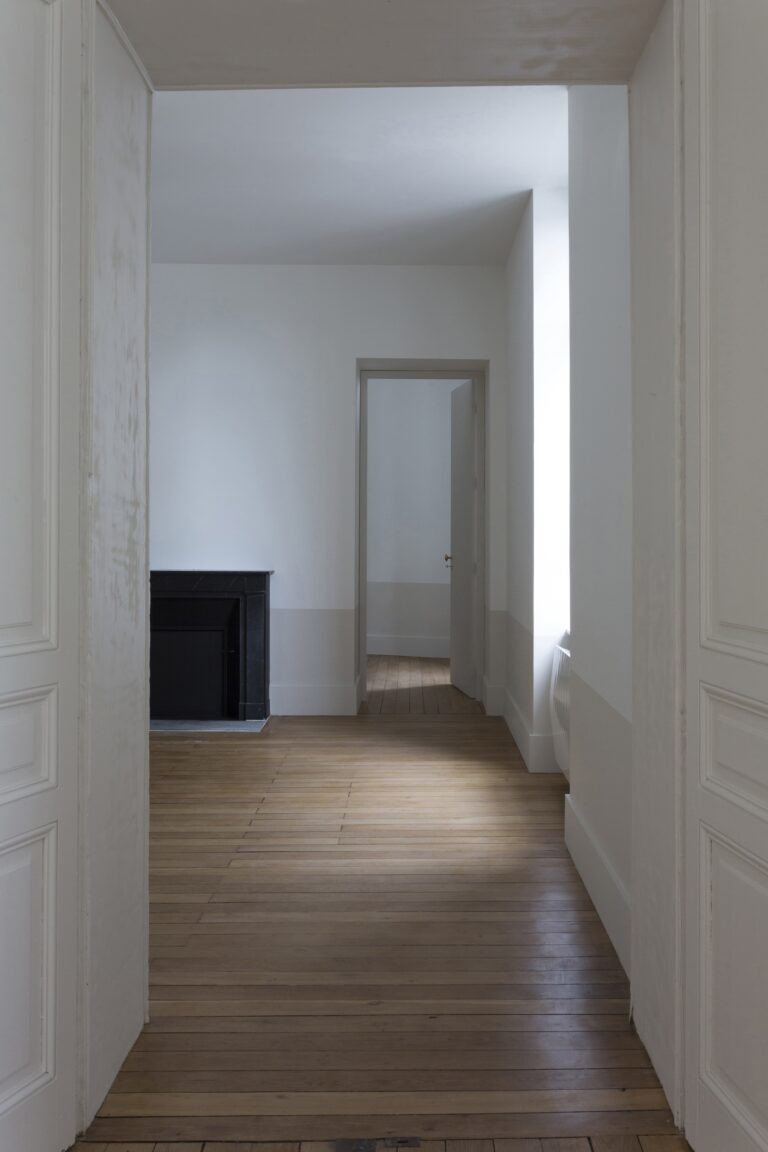
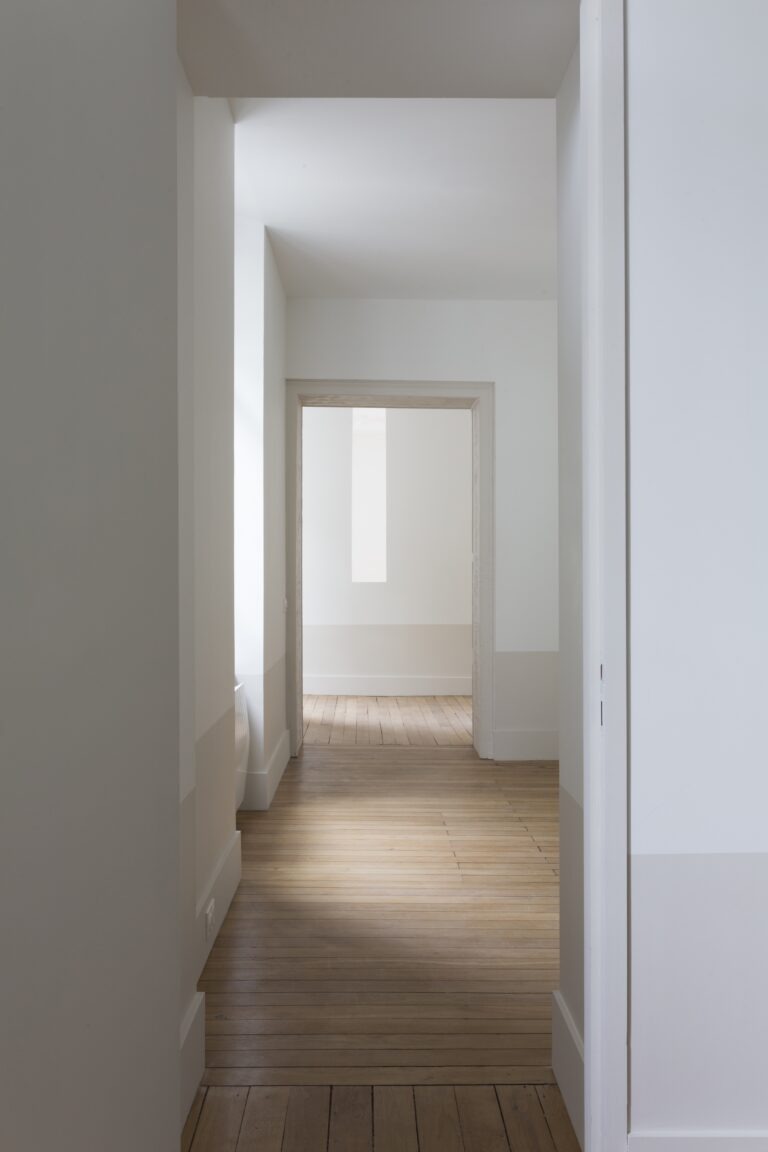
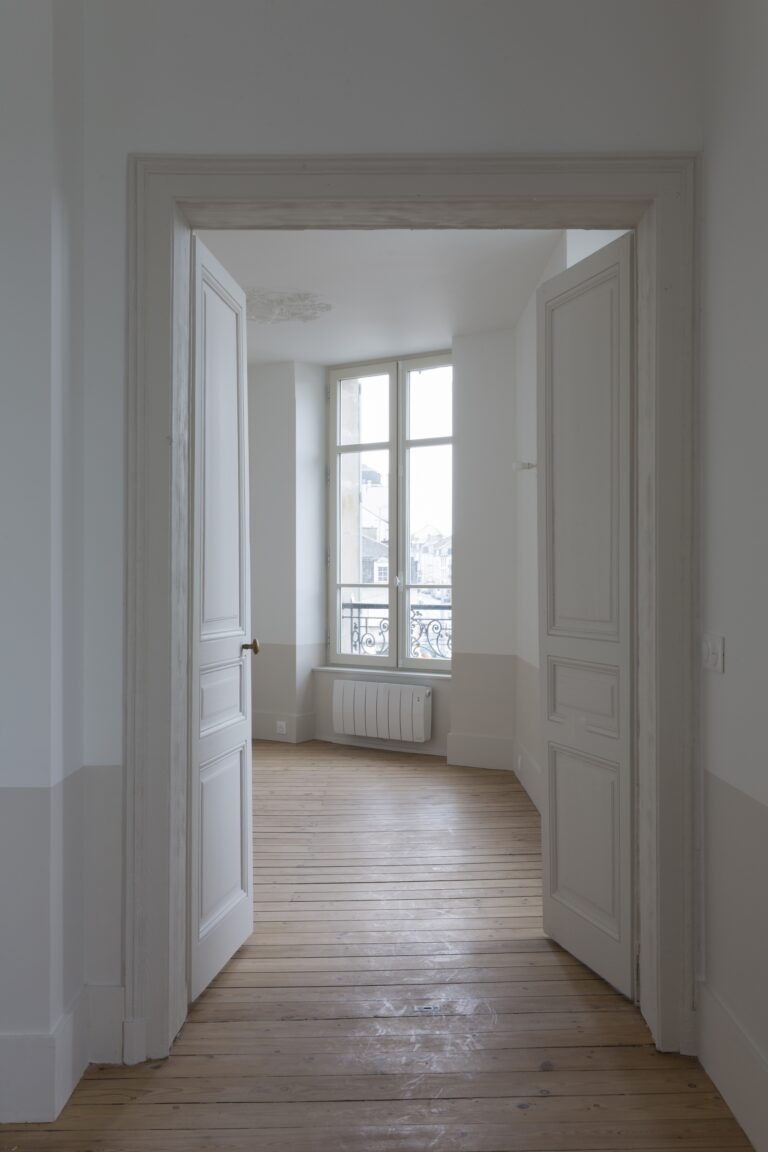
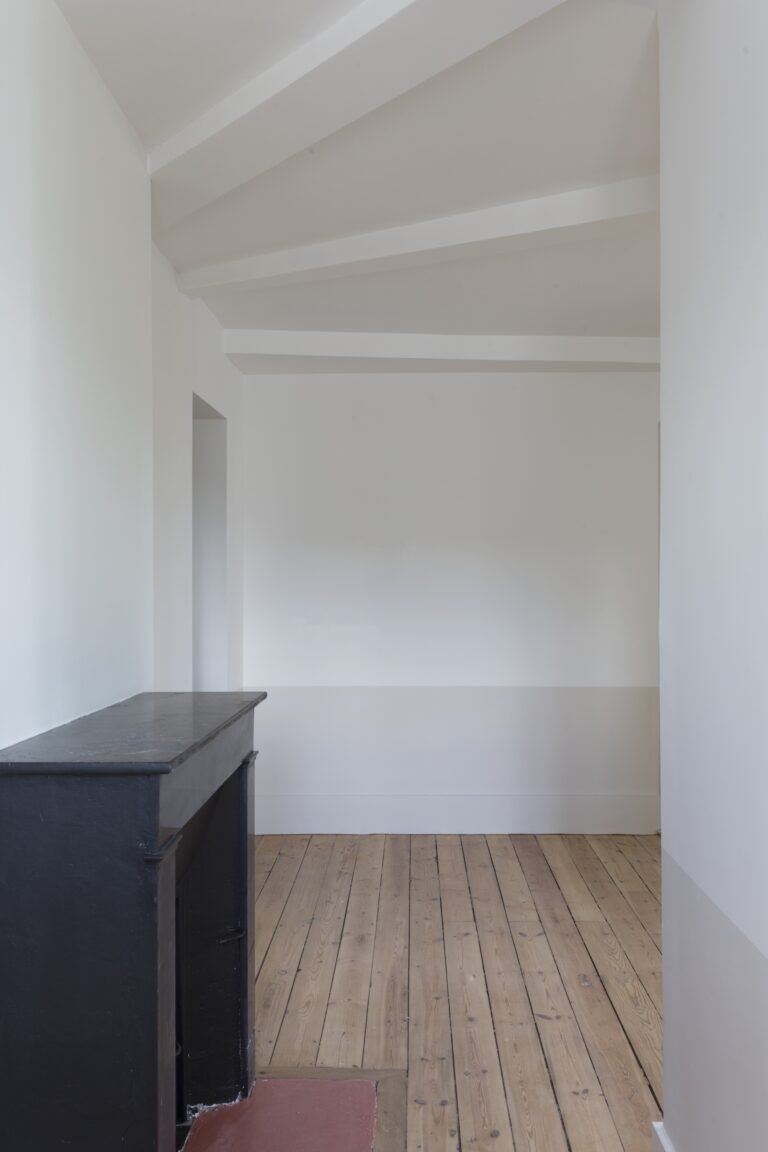
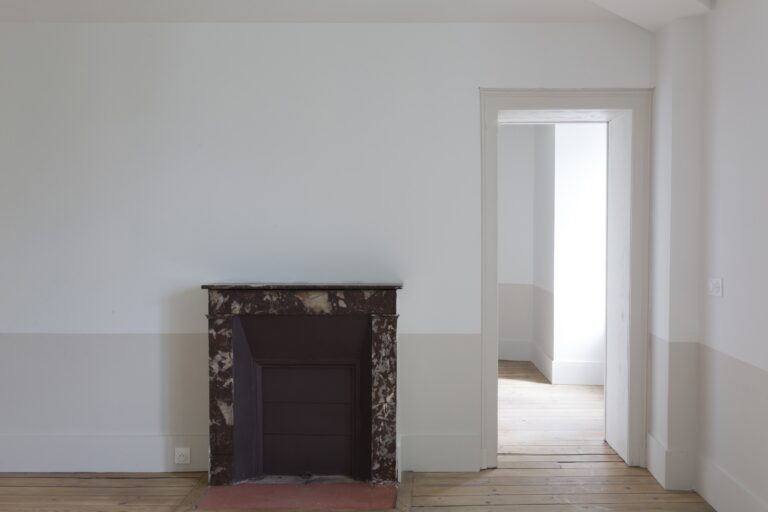
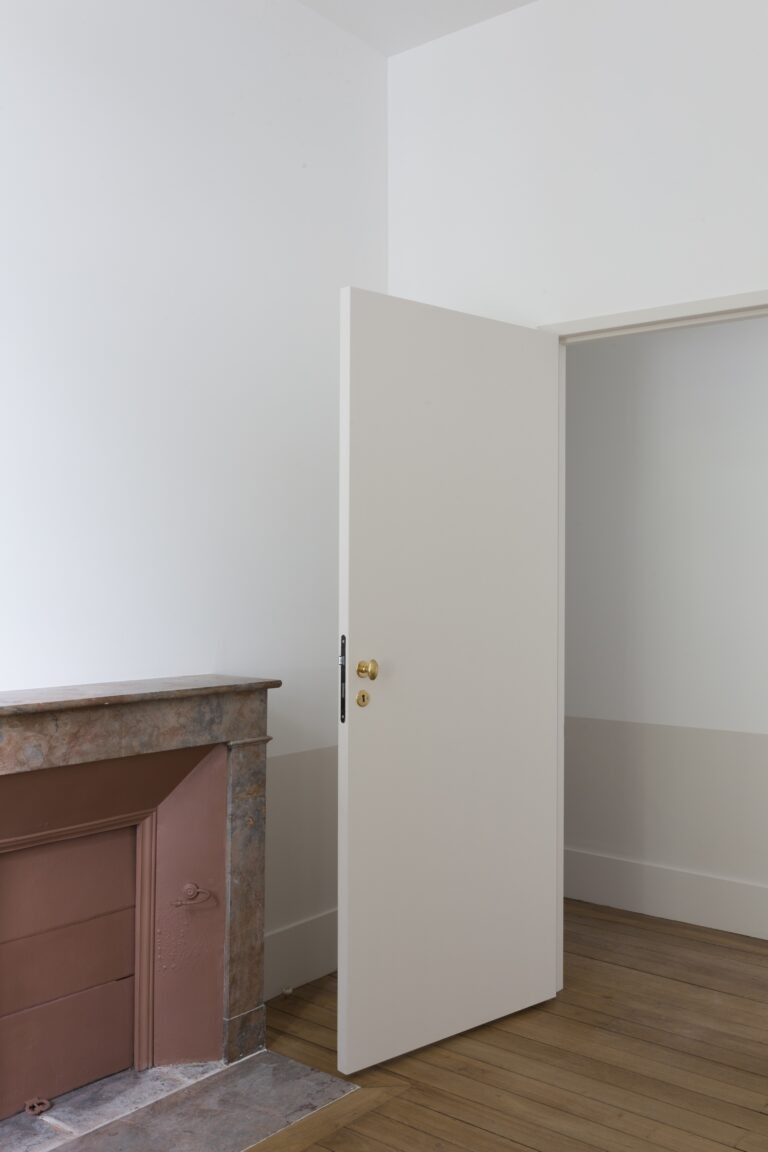
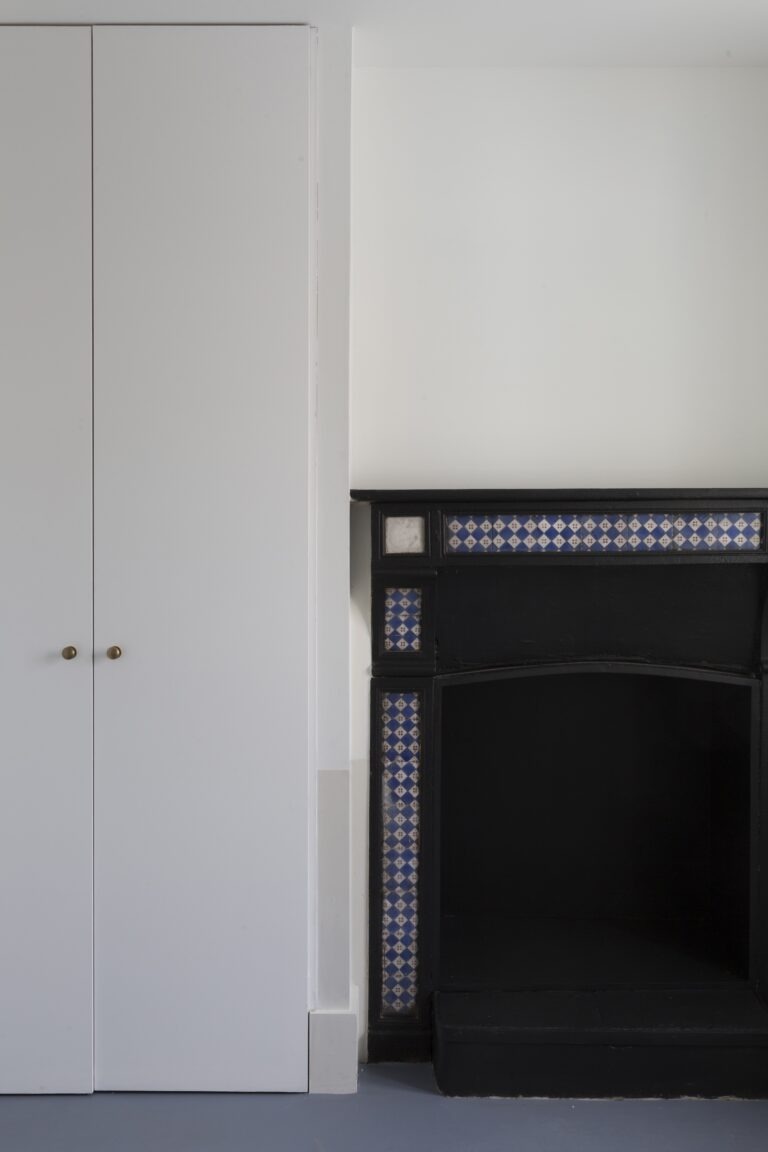
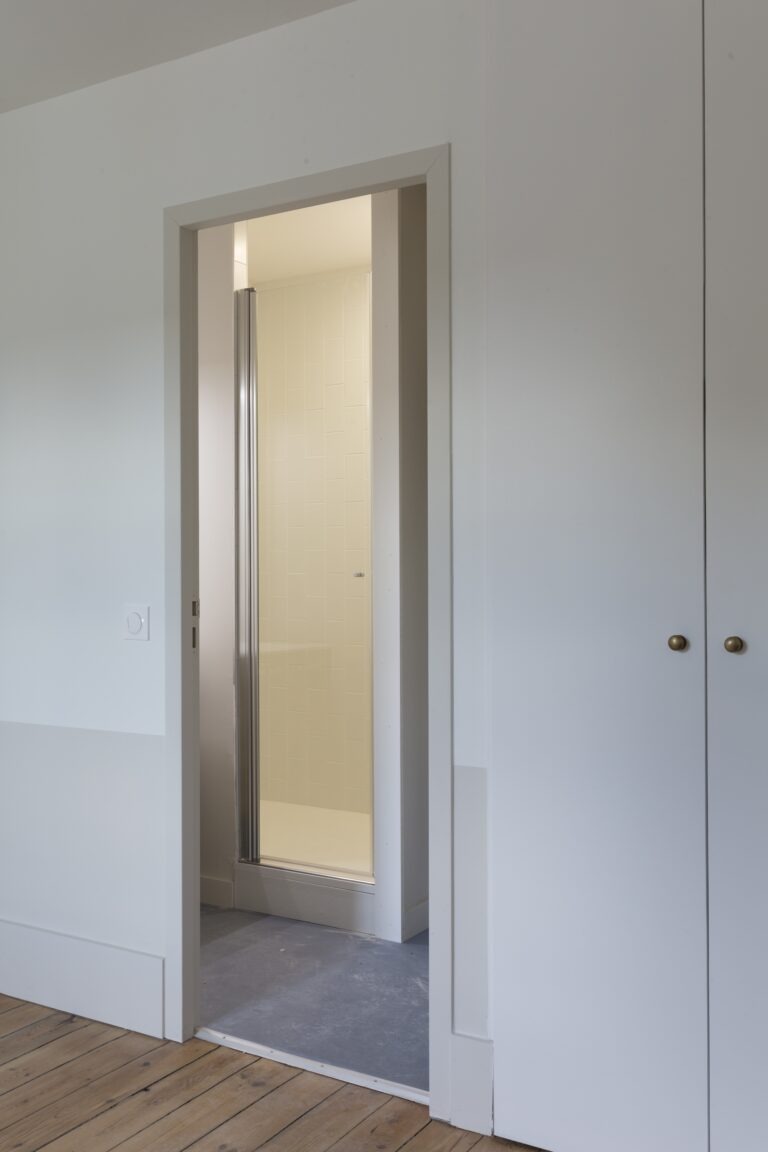
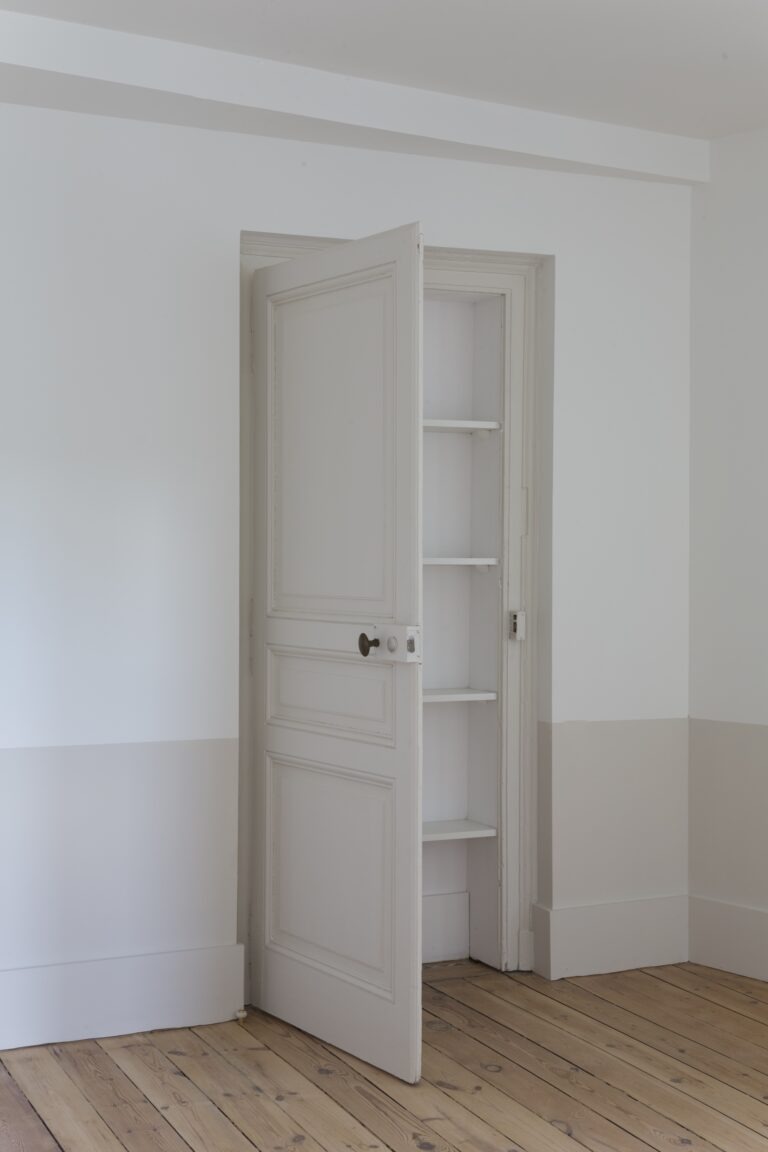
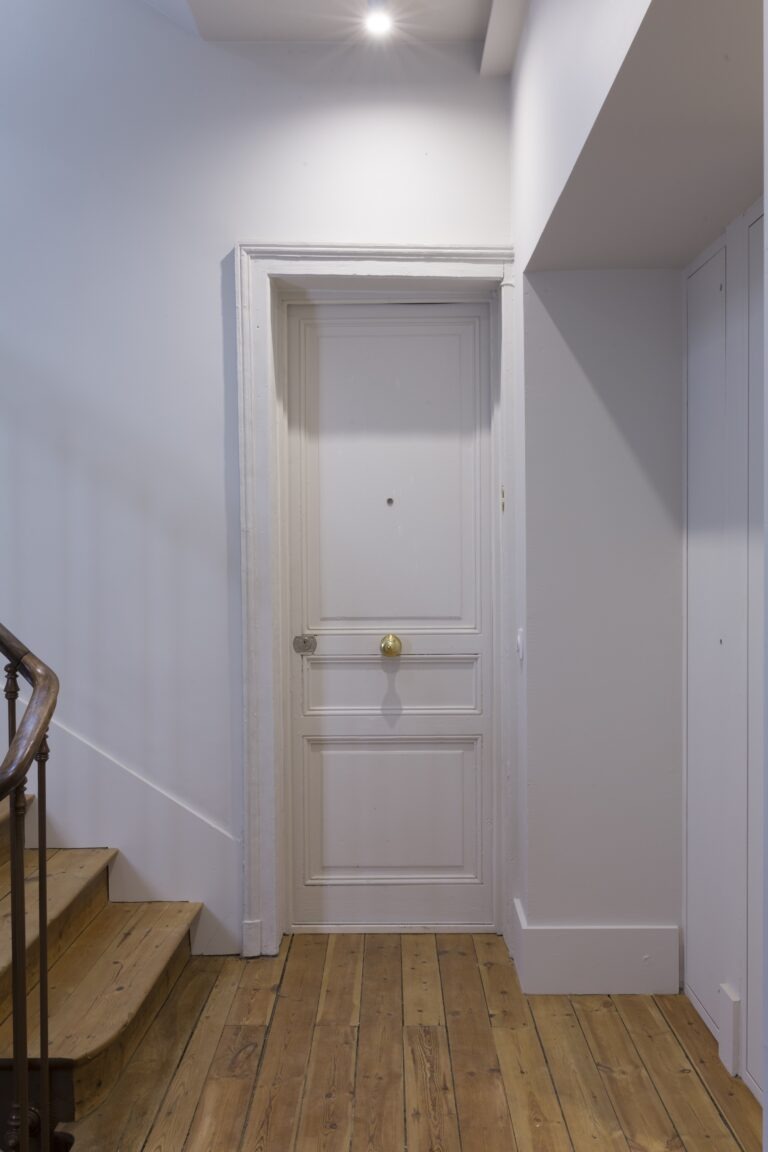
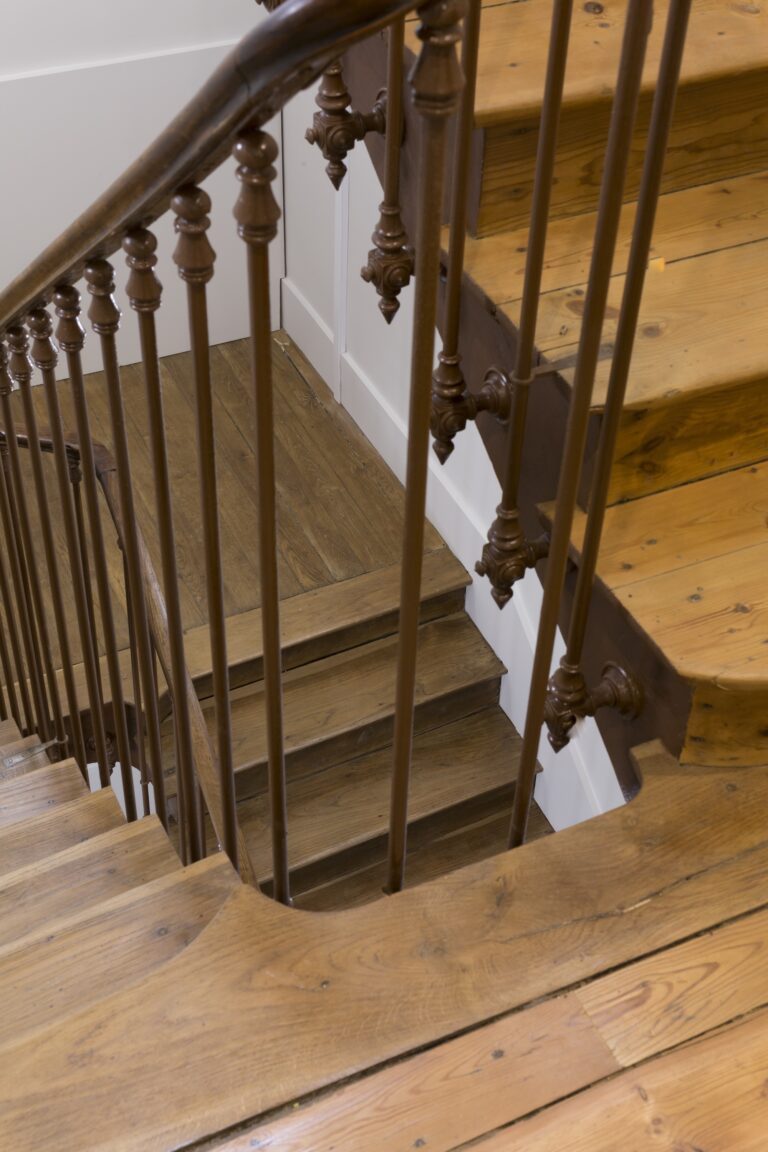
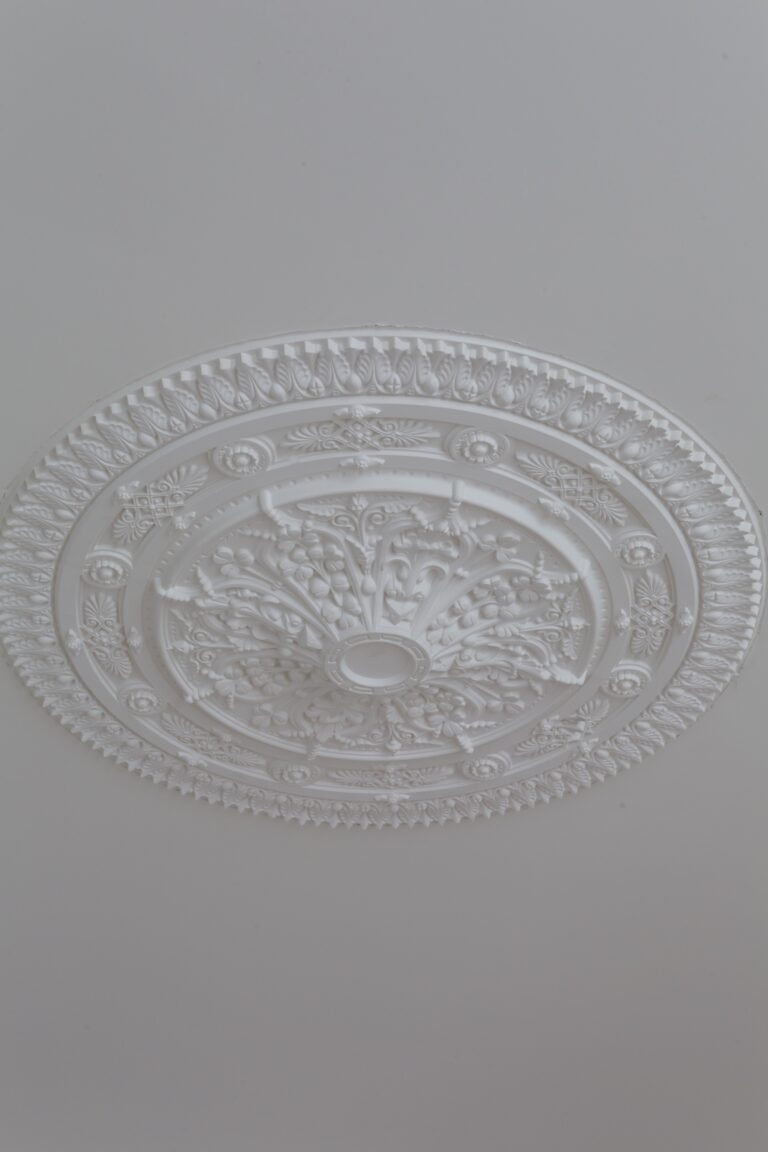
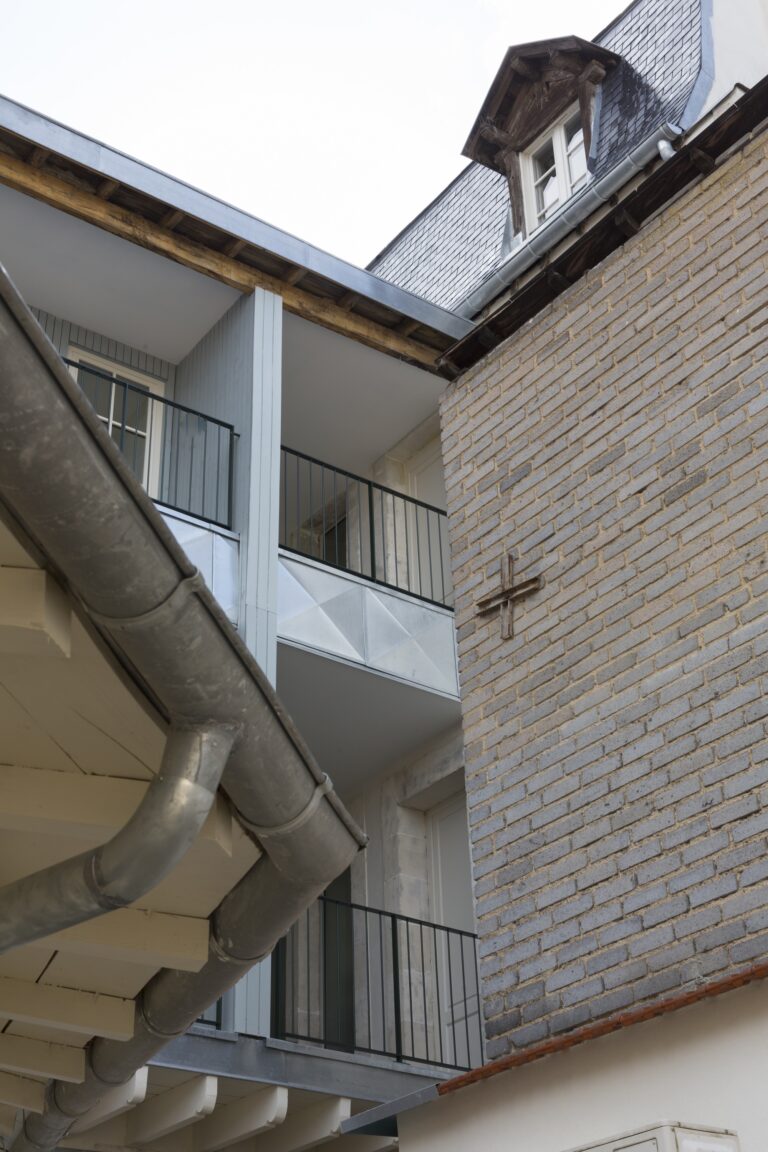
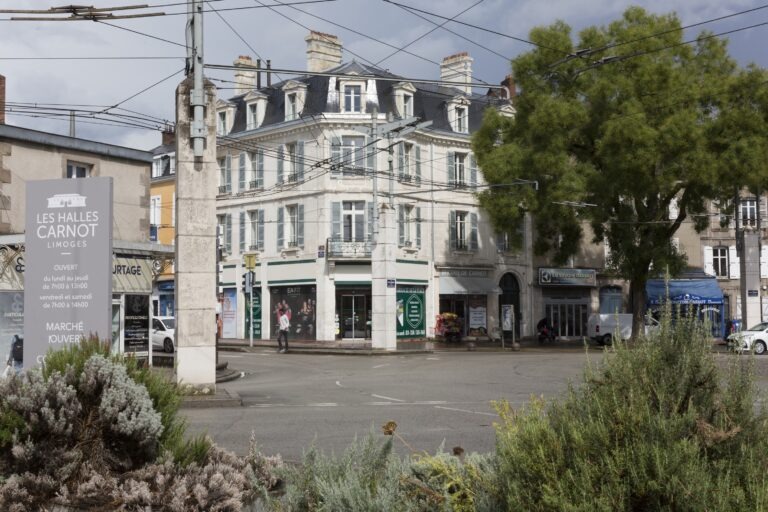
L’immeuble Carnot, situé sur la place éponyme à Limoges, est un bâtiment signé de l’architecte Joly en 1886. L’édifice, ancienne maison bourgeoise sur 3 niveaux, abandonnée aux alentours des années 90, ne présentait pas de pathologie grave, mais plutôt un état de fatigue général, souvent lié à des ajouts faits dans les années 70. A l’intérieur, les espaces étaient parfaitement ordonnés, et les proportions déjà évidentes. Le projet d’architecture a donc consisté à conserver le maximum d’éléments (parquet, portes intérieures, cheminées, modénatures, volets), de réparer les éléments très abîmés, de remplacer ceux qui ne pouvaient être réparé. L’essentiel du projet étant d’aménager le bâti pour y transformer la maison d’une famille en 8 logements, avec 1 ou 2 chambres. Le projet s’est donc attaché à conserver les circulations en enfilade de cet immeuble d’inspiration haussmannienne, tout en créant des logements tous traversant, tous avec des loggias situées sur la cour.
- Programme Renovation and Redevelopment of a Building into Eight Housing Units
- Location Limoges
- Client Limoges Habitat
- Team MAU, ZD, Cité4, 17 Eco-Partenaire, Arquantes.
- Size 478 m²
- Cost 1 052 804 € excl. Taxes
- Mission Complete project management
- Credits Antoine Espinasseau
- Project manager Anna Ponizy
- Project team Frédéric Martinet, Alexandre Bertet
Repair, Replace, Adapt
The 2020s have been marked by a succession of global crises—health, diplomatic, climatic, and ecological. These events have brought into sharp focus what researchers—historians, sociologists, and scientists in universities—had already identified as early as the late 1980s.
In the construction industry, and particularly in the production of housing in France, it took until the second decade of the twenty-first century, the end of public subsidies, and rising raw material costs for existing buildings to be seriously reconsidered. Far from being a minor shift, this new approach revealed the scale of the transformation required across the entire decision-making chain—from elected officials and public housing organizations to private developers, as well as within the organizations themselves, including project managers, developers, and sales teams. The specific challenges of working with existing buildings had to be learned from scratch: financial models, cost estimation, rent structures, procurement criteria, and construction expertise all had to be rethought. What had previously been standard practice could no longer simply be replicated.
For architects, a fundamental question emerged. While the twentieth century established the primacy of modernist thinking—whose contributions to architectural history remain essential—the twenty-first century has initiated a reflection that reaches beyond the last century, drawing instead on the long history of inhabited space. How can one create an architectural work when the work already exists? Eugène Viollet-le-Duc offered one answer in the nineteenth century, freely blending historical periods to construct an imagined narrative of place. Twentieth-century architects often approached existing buildings with a certain reluctance. The 2000s, however, saw the emergence of a new generation of collective architectural practices that moved beyond the notion of « heritage » as a constraint. They chose instead to engage with existing buildings as discreet authors, accepting that architecture could sometimes reside precisely in the absence of a visible gesture.
The Carnot Building, located on the square of the same name in Limoges, was designed by the architect Joly in 1886. This former three-storey bourgeois townhouse, abandoned around the 1990s, showed no major structural defects but rather a general state of wear, much of it resulting from alterations made during the 1970s. Inside, the spaces remained remarkably well ordered, with their original proportions still clearly legible.
The architectural project therefore focused on preserving as many original elements as possible—parquet floors, interior doors, fireplaces, decorative mouldings, and shutters—repairing those that were severely damaged, and replacing only those beyond repair. The principal challenge was to adapt the building, transforming what had once been a single-family house into eight apartments with one or two bedrooms. The project sought to retain the enfilade circulation characteristic of this Haussmann-inspired building while creating apartments that are all dual-aspect and each provided with a loggia overlooking the courtyard.